
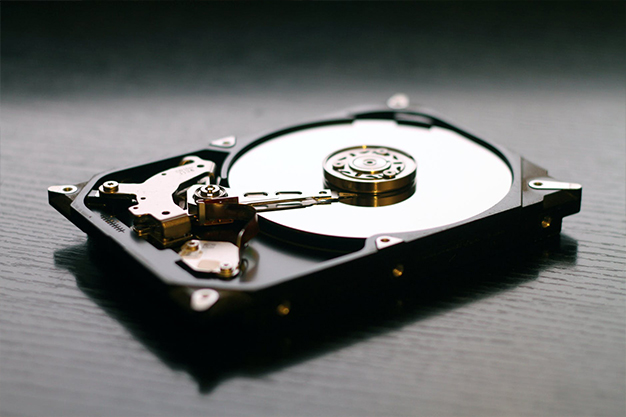
Smooth Recovery Path: Bringing Back Memories and Important Data
Meet the passionate team at CaliPhonia, where affordable computer repairs meet expert craftsmanship. Situated in the heart of Silicon Valley, our family-owned workshop boasts over a decade of experience in cell phone and computer repairs, micro-soldering, and wireless networks. From virus and spyware removal to home and business network installations, our skilled experts offer free in-office diagnostics and delivery within a 20-mile radius. Let us breathe new life into your devices today. Contact us and experience the CaliPhonia difference.
Introduction
A sudden crash.
A frozen screen.
A sinking feeling that years of photos, documents, and memories might have disappeared forever.
But data loss doesn’t have to mean defeat. At CaliPhonia – Phone & Computer Repair, restoring what seems lost is both an art and a science – one that blends empathy with precision. Whether it’s a cherished photo library, years of business files, or your music projects, our goal is simple: to rebuild your digital world as if it never fell apart.
This blog takes you through the data recovery process steps, real-life insights into recovering lost files and documents, and modern digital memory restoration solutions that bring hope back to your hard drive.
When Every Byte Tells a Story
Each file on your device is more than just data – it’s a story, a timeline, a piece of life. Maybe it’s your child’s first steps recorded on your phone, the college thesis that took sleepless nights, or the client files that built your business.
When devices fail, panic usually sets in. But at CaliPhonia, we treat every case as a recovery mission. Our team approaches every device – whether it’s a water-damaged iPhone or a crashed laptop – with a mindset that blends technical expertise and emotional awareness.
Because behind every gigabyte, there’s a person who needs their life back.
The Calm After the Crash: Understanding the Data Recovery Process Steps
Think of data recovery as digital archaeology. Beneath the surface of a “dead” device often lies a world waiting to be revived.
Here’s how the data recovery process steps unfold at CaliPhonia:
Step 1: Diagnosis – Listening to the Device
The first step is identifying what went wrong. We assess whether the loss stems from hardware damage (like a broken drive or water exposure) or logical issues (such as accidental deletion or system corruption). A detailed analysis helps us decide whether software recovery, physical reconstruction, or chip-level repair will be most effective.
Step 2: Containment – Stopping Further Damage
Once we know the cause, we stop further data degradation. For example, in liquid-damage cases, we immediately secure internal components to prevent corrosion. In drive failures, we isolate affected sectors before attempting read operations. This is the digital equivalent of stabilizing a patient before surgery.
Step 3: Extraction – The Digital Surgery
This is where recovery magic happens. Using safe data retrieval methods, we create a sector-by-sector clone of the affected drive or chip. This ensures no original data is compromised. From there, specialized recovery tools rebuild lost structures, file tables, and fragments.
Step 4: Verification – Checking Every Memory
Our technicians verify the integrity of the restored files, making sure every photo opens, every spreadsheet calculates, and every document reads clean. It’s not just about recovering data – it’s about recovering lost files and documents that actually work.
Step 5: Restoration – Bringing It Back to You
Finally, we deliver the recovered data safely on a new device, encrypted and verified. You leave not just with your data but with a sense of digital peace.
Why Data Recovery Is About Emotion as Much as Technology
Many people only realize how attached they are to their data when it’s gone. The laughter in photos, the emails from loved ones, the voice notes from a trip – they’re memories encoded in pixels and text.
That’s why our digital memory restoration solutions focus not just on the technical fix but on emotional reassurance. We make sure clients feel informed and supported throughout the process – explaining every step in simple language, keeping updates transparent, and offering prevention guidance afterward.
When Do You Need Data Recovery?
You might think your device is beyond repair, but data often hides deeper than you expect.
Here are common signs that your data needs professional rescue:
- Your computer or phone won’t start, but lights or sounds still appear.
- Files suddenly vanish or become inaccessible.
- The drive makes clicking or whirring noises.
- You accidentally formatted or deleted entire folders.
- You dropped your device, and it no longer reads or charges.
If any of these sound familiar, stop using the device immediately. Every new action – even turning it on – risks overwriting valuable data.
Instead, let professionals use safe data retrieval methods designed to preserve what remains intact.
Beyond Repair Shops: Inside the World of Digital Memory Restoration Solutions
At CaliPhonia, recovery isn’t just about restoring bytes – it’s about innovation.
Our lab uses cutting-edge digital memory restoration solutions that combine forensic imaging, chip-off recovery, and hybrid-level software repair.
1. Chip-Level Recovery
For phones and SSDs, the data often lives in tiny NAND chips. By carefully removing these and reading them with specialized tools, we can reconstruct lost partitions and rebuild your file system, even if the motherboard is completely fried.
2. Cloud Sync Retrieval
Sometimes your “lost” data isn’t gone – it’s trapped in an interrupted sync process. We trace cloud backups, cross-reference account data, and re-link disconnected storage paths to restore your files without deep disassembly.
3. Hybrid Recovery
Some cases blend physical and digital repair – like extracting a cracked chip, repairing circuitry, and then restoring deleted files. This holistic approach ensures no memory is left behind.
What Makes Safe Data Retrieval Methods So Important
In the digital recovery world, “safe” means non-destructive. At CaliPhonia, our safe data retrieval methods ensure:
- No overwriting of original memory blocks.
- No further corruption during extraction.
- Secure encryption of recovered data during transfer.
- Complete confidentiality – your files remain yours alone.
Our technicians handle drives in clean-room environments with anti-static protection, ensuring the highest success rate possible without risking additional damage.
A Personal Approach to Personal Data Loss Prevention
Once recovery is complete, we shift the conversation to the future – personal data loss prevention.
Because no one wants to go through the same panic twice.
Here’s our 3-step prevention philosophy:
1. Redundancy Over Reliability
Even the best devices fail. Back up data in at least two different locations – a local drive and a secure cloud service.
2. Routine Checks
Schedule monthly health checks for your devices. Early detection of errors or overheating can save your data before it’s too late.
3. Real Awareness
Human error is one of the leading causes of loss. Avoid risky downloads, always eject drives safely, and update software regularly.
Digital resilience isn’t built in a day, but it’s the best way to protect what truly matters.
Data Recovery in Everyday Life: Real Stories from CaliPhonia
The Photographer’s Miracle – A local photographer once brought us a corrupted memory card from a wedding shoot – over 3,000 images gone. After 48 hours of extraction and verification, every image was recovered. The look of relief said everything.
The Business Lifeline – A small accounting firm lost an entire year’s worth of client spreadsheets after a power surge. Our team rebuilt the file directory and restored 98% of data – saving them months of rework and financial loss.
The Family Phone Rescue – A customer accidentally dropped her phone in the pool – along with years of baby photos. Through chip-level recovery, we retrieved over 7,000 pictures. Sometimes, data recovery is really memory recovery.
The Science Behind the Sentiment
Behind every success story is a blend of algorithms and patience.
Every drive has unique architecture; every phone stores memory differently. That’s why no single software can guarantee success. The process demands intuition and adaptability – something only human experience can bring to the machine table.
At CaliPhonia, we continually refine our tools and techniques, balancing innovation with empathy. Because technology may fail – but care doesn’t.
Key Takeaways
- The data recovery process steps involve diagnosis, containment, extraction, verification, and restoration.
- Recovering lost files and documents isn’t just technical – it’s personal and emotional.
- Advanced digital memory restoration solutions can revive seemingly dead devices through chip-level and hybrid recovery.
- Always use safe data retrieval methods to protect original files from further corruption.
- Building a personal data loss prevention routine helps secure your memories for the future.
FAQs
1. How long does the data recovery process take?
Depending on the damage, recovery can take anywhere from a few hours to several days. Severe physical damage requires more time for chip extraction and testing.
2. Can you recover data from water-damaged phones?
Yes. Using chip-off recovery, our team can often retrieve files from even severely water-damaged phones. The sooner the device is brought in, the higher the success rate.
3. Will my data stay private?
Absolutely. All recoveries follow strict confidentiality policies, and recovered data is stored securely with encryption.
4. Is data recovery always possible?
While most cases have positive outcomes, no recovery can be guaranteed. Success depends on the extent of physical or logical damage, but we exhaust every possible safe data retrieval method.
5. How can I prevent losing data in the future?
Follow personal data loss prevention practices – keep backups, avoid physical damage, and never ignore unusual drive noises or errors.
Conclusion
When your data vanishes, it feels like time stops. But with CaliPhonia’s digital memory restoration solutions, you can turn that fear into relief. Every recovery reminds us that technology may falter, but memory endures. Whether it’s a photo, document, or creative project, we’ll help you bring it back – smoothly, safely, and completely.
Remember: Losing data isn’t the end – it’s a reminder of how much our digital world means to us. Protect it, back it up, and know that recovery is always possible.
Disclaimer: This blog is for informational purposes only. Results vary based on device condition and data integrity. Always consult professionals for your specific data recovery needs.
